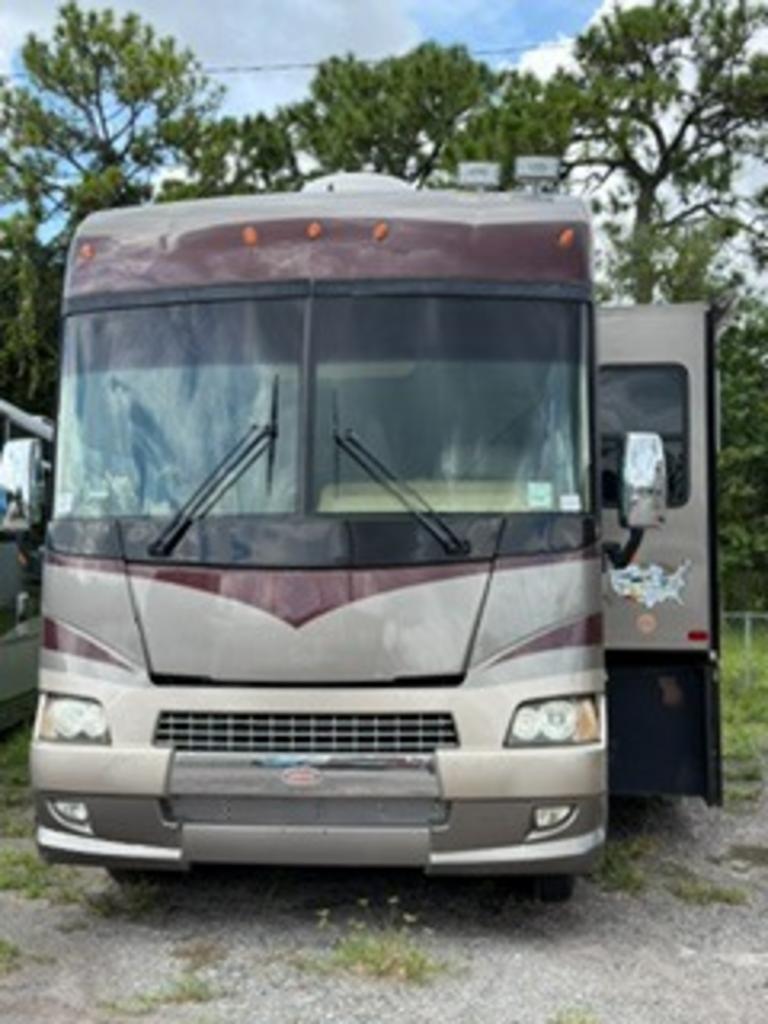
Finding Class A Motorhomes For Less - A Comprehensive Guide
Finding a Class A Motorhome for under $30,000 may seem like finding a needle in a haystack, but with the right approach and knowledge, it's entirely achievable. These budget-friendly motorhomes offer the comforts of home on the road without breaking the bank.
Whether you're a first-time buyer or a seasoned RVer looking for a budget-savvy upgrade, there are excellent options available if you know where to look.In this guide, we’ll take an in-depth look at the robust models you should consider, the best places to search, and key considerations to ensure you make a well-informed purchase. Remember, the possibilities for an affordable, comfortable RV adventure are vast if you start with the right information.
Top Picks for Budget Class A Motorhomes
Identifying the best models within your budget is the first step.
Focus on models known for durability, serviceability, and overall satisfaction among previous owners. Many older vehicles offer timeless designs and solid construction, perfect for budget-conscious buyers.1. Ford F53 and Workhorse Chassis
- Fleetwood Bounder (2000–2007) – This model is celebrated for its sturdy build, reliable functionality, and abundant resources for parts and maintenance.
- Winnebago Sightseer (2002–2008) – Loved for its efficient layout and reliability, this model is suitable for families looking to travel safely and comfortably.
- Tiffin Allegro (2003–2008) – Known for superior craftsmanship and supportive customer service, the Allegro is a fantastic choice for its price range.
- Newmar Dutch Star (1999–2004, Diesel) – This model combines luxury with practicality, offering a smooth ride with long-term serviceability.
2. Diesel Pusher Options
Diesel pushers offer higher torque and often more spacious interiors, but can come with higher maintenance costs. Still, they are worth considering for those who cherish driving power and luxury.
- Monaco Diplomat (1998–2004) – Offers a smooth ride with air suspension and is favored for its spacious interiors and solid engineering.
- Holiday Rambler Endeavor (1997–2003) – Known for its innovation and comfort, it's ideal for long journeys with its durable build and high torque.
While newer rigs may seem tempting, older Class A models are more straightforward mechanically and often more accessible regarding parts and servicing. Ensuring your choice has been well-maintained can prevent hefty repair costs later on.
Where to Find These Gems
The journey to securing a Class A motorhome involves thorough research and strategic shopping. Various platforms present excellent opportunities to find your ideal vehicle.
- Online Marketplaces: Websites like RVTrader and Camping World list vast inventories of used RVs. Set alerts for price drops on models that interest you.
- Local Listings: Platforms like Facebook Marketplace and SearchTempest aggregate listings in your area, allowing you to spot deals quickly.
- Auction Sites: Websites such as GovDeals and Purple Wave occasionally offer RVs that can be real bargains if inspected properly.
- Consignment Dealers: Check with dealers like PPL Motor Homes where inventory can turnover quickly, so acting fast is advantageous.
Key Considerations When Buying
Buying a used Class A motorhome requires attention to detail and due diligence. Here are some pivotal steps to follow:
Inspect Thoroughly
- Examine Roof and Seals: Look for evidence of leaks or water damage which can lead to expensive repairs.
- Check Tire and Chassis Condition: Examine tire age and wear, as well as the vehicle’s alignment and brake condition. Refer to tire guidelines on NHTSA for safety checking.
- Test All Appliances: Ensure that the generator, refrigerator, oven, and heating systems work perfectly. Verify that all electrical and plumbing fixtures are in good condition.
Prepare for Ongoing Costs
A budget-friendly purchase price is just the beginning. Calculate expected ongoing expenses like:
- Tires (6 tires can cost $2,000 to $3,000)
- Battery and Fluids Replacement ($500–$1,500 depending on the make and model)
- General Maintenance for older Class As, including roof sealing and minor repairs
Conduct a Competitive Analysis
Leverage platforms like J.D. Power to compare prices and features of similar models. This ensures you’re getting a fair deal based on the market standards.
Making the Right Choice
Investing in a motorhome is significant. It's crucial to evaluate options thoroughly and consider future needs. Whether it’s for full-time living or seasonal trips, the right Class A motorhome can vastly enrich your travel experiences.
Future-proof Your Investment
- Choose floorplans with versatile living spaces to accommodate growing family needs.
- Consider vehicles with modern amenities like backup cameras, Wi-Fi capabilities, and updated entertainment systems.
Pro Tips for Closing the Deal
Negotiating successfully requires a mix of research, timing, and a willingness to walk away if the deal doesn’t meet your needs. Here are some tips to aid your purchase:
- Leverage Market Data: Use data from past sales and current listings to back up your negotiation points.
- Negotiate Repairs: Use defects to your advantage; get quotations for repairs and use them to lower the selling price.
- Timing Is Everything: Search during off-peak seasons when demand - and prices - tend to be lower. Fall and winter can offer lucrative deals.
Craft Your Plan for Finding the Perfect RV
- Create a shortlist of models that meet your criteria.
- Set up alerts on platforms like RVTrader and SearchTempest to catch new listings.
- Calculate all potential expenses, including purchase and miscellaneous costs, to guide your budget effectively.
- Schedule an independent inspection to ensure the vehicle meets safety and performance standards.
- When the right deal appears, be prepared to move quickly to secure it.
Conclusion: The Joy of Affordable Adventuring
Finding a respectable Class A motorhome within a $30,000 budget opens the door to endless travel opportunities and freedom on the road. Through informed decisions and strategic buying, you’ll acquire a vehicle that serves as both a reliable mode of travel and a cozy retreat. Let the journey begin!
What To Verify Before You Act
For this topic, the most useful next step is to confirm the requirements, paperwork, and real-world costs before making a decision. Readers should check whether the item, service, or recommendation described in the article fits their situation, whether any approval steps are required, and whether there are limits that could affect timing or reimbursement. This keeps the article practical instead of leaving the reader with only general advice.
Documentation matters because many problems happen after someone assumes they qualify, assumes a seller is approved, or assumes a benefit applies automatically. A careful reader should keep copies of quotes, prescriptions, invoices, model details, approval notices, and any written policy language that supports the purchase or decision. Those records make it easier to compare options and resolve questions later.
Quick Review Checklist
- Confirm eligibility, coverage, or approval rules with the appropriate provider before buying.
- Compare at least two options so pricing, features, and service quality have context.
- Ask what is included, what is excluded, and what costs may be paid out of pocket.
- Keep written records of recommendations, model numbers, receipts, and warranty details.
- Review the return policy and support process before making a final commitment.
It is also worth separating must-have features from nice-to-have upgrades. A lower price may not be the best value if it leaves out support, fit, safety, or documentation the reader needs. On the other hand, an expensive option may not be necessary if a simpler approved choice solves the core problem. The right decision is the one that balances eligibility, function, total cost, and confidence.
Final Takeaway
The safest approach is to treat this topic as both a research task and a documentation task. Read the requirements, compare credible options, ask direct questions, and keep every important detail in writing. That extra preparation helps readers avoid surprises and move forward with a choice that is easier to understand, easier to justify, and better matched to their needs.
 Used
Used
 Used
Used
 Used
Used
 Used
Used